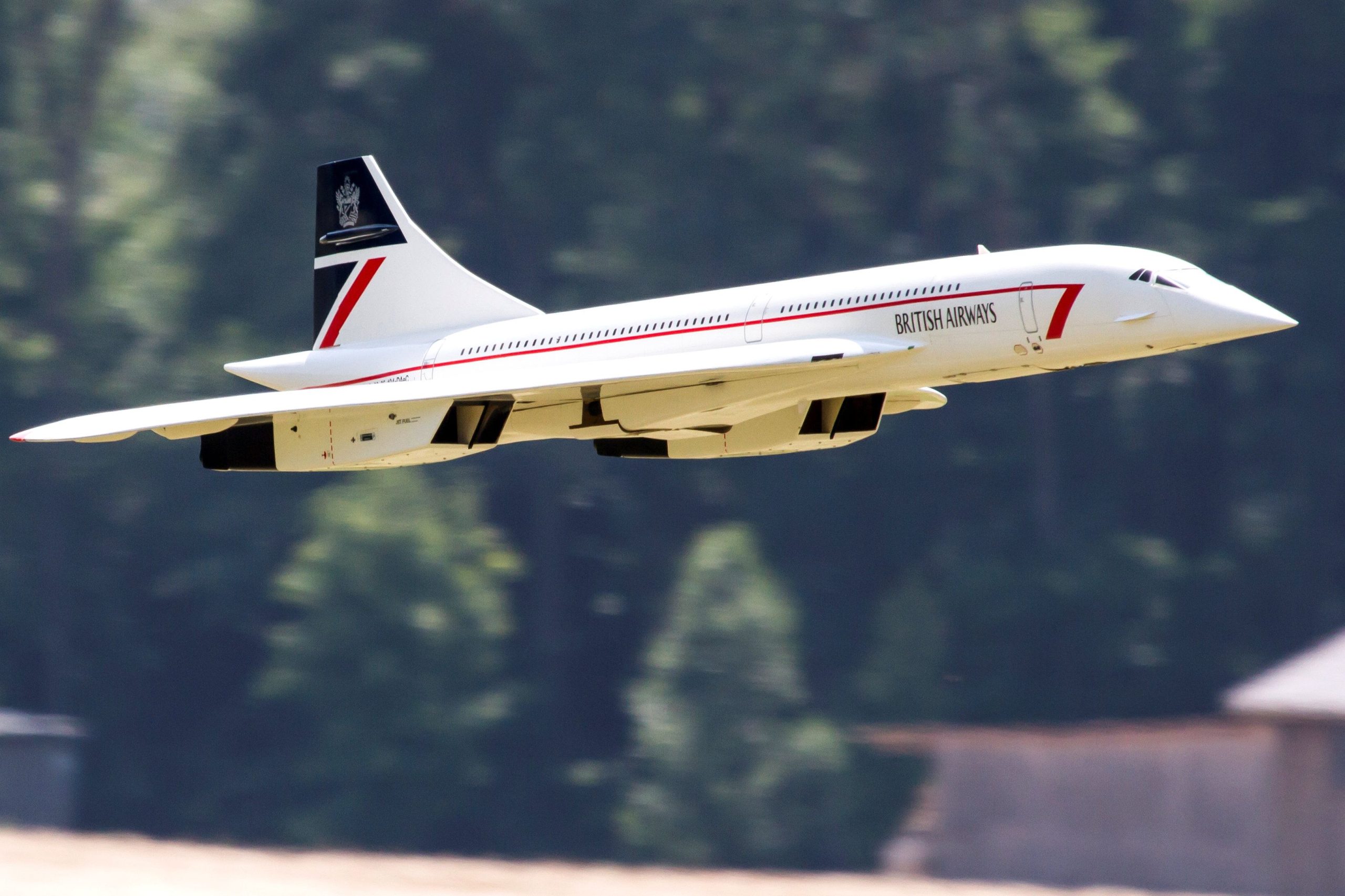
New Supersonic Jets: The Race to Bring Four-Hour Transatlantic Flights Back
Back in 2014, a handful of companies promised New York to London in four hours, within the decade. That decade’s over. Nobody’s selling tickets.
This isn’t a rerun of that old prediction, thankfully. It’s a look at what actually happened to those companies, what changed in the underlying tech, and whether this new wave has better odds than the last one.
Why Supersonic Passenger Flight Disappeared
Concorde flew for a little over a quarter century before British Airways and Air France pulled the plug. It wasn’t one problem that killed it. It was three, stacked on top of each other.
US regulators banned civil sonic booms over land back in the 1970s, years before Concorde even entered service. That single rule locked the plane into oceanic routes only, cutting off most of its potential market before it ever flew a paying passenger.
Then there’s the fuel burn. Concorde drank fuel at a rate that made economy pricing impossible, so tickets ran into the thousands and the cabin never held more than about 100 seats.
A fatal accident early in the new millennium didn’t help either. Public confidence took a real hit, and some of the aura that had justified the ticket prices went with it.
Tiny market, brutal operating costs, a dented reputation. Add those up and you get an airplane that never actually turned a profit, even at its peak.
The Dream of a Four-Hour New York–London Flight
That four-hour figure keeps resurfacing for a reason. It’s the number that actually matters to a business traveler.
A standard transatlantic flight runs six to seven hours. Cut that to four and you can leave New York after breakfast, land in London in time for a dinner meeting, and fly home the same day if you need to.
Concorde already proved this was technically possible. It flew the route in well under four hours, faster than the number everyone’s still chasing today.
What it never cracked was doing that affordably, quietly, and legally over land. That exact gap is what every company since has been chasing.
What Makes Supersonic Flight Different?
Crossing the sound barrier doesn’t just raise the top speed. It changes the physics of the whole aircraft.
Drag spikes sharply right around that threshold, so engines burn a lot more fuel per mile once cruising supersonic than a subsonic jet covering the same distance.
Then there’s the shock wave, which is really the whole ballgame here. Once a plane goes supersonic, it throws off pressure waves that merge into a sonic boom, a sharp crack that hits the ground continuously along the flight path, not just once at the moment it “breaks” the sound barrier.
Loud enough to rattle windows. Loud enough that regulators banned it outright over populated areas, which is exactly why this whole category has spent decades grounded.
The New Generation of Supersonic Aircraft
Boom
Boom Supersonic is the furthest along by a wide margin. Its demonstrator aircraft broke the sound barrier in early 2025, the first privately built jet to do that since Concorde retired.
The full-size version, Overture, is designed to cruise faster than Mach 1.5, carrying dozens of passengers in a business-class-only layout.
Boom’s building its own engine for it too, after an earlier engine partner walked away a few years back. A handful of major airlines have placed non-binding orders, though at least one early partner has since backed out.
The rollout timeline keeps sliding. Boom’s own targets have already moved more than once, with commercial service now pointing toward the end of this decade.
Aerion
Aerion looked like the safest bet in the whole field, and then it just collapsed. The company spent nearly two decades developing a private supersonic jet aimed at wealthy individual buyers rather than airlines.
It built an impressive roster of aerospace partners along the way, and a sales backlog worth billions on paper. None of it saved the company.
Aerion shut down in the early 2020s, unable to raise the several billion dollars still needed, after one of its biggest partners quietly pulled its support months earlier. The real lesson here isn’t technical. Every partner, every dollar of backlog, still wasn’t enough to survive a funding gap.
Spike
Spike Aerospace has been working on its own supersonic business jet for over a decade, and it still isn’t flying. The design is unusual: no windows at all, replaced by panoramic screens projecting the outside view onto the cabin walls.
It’s a smaller aircraft than Boom’s, seating around a dozen or so passengers.
Spike originally promised a flying aircraft years ago. That date has slipped repeatedly, and the company remains in an advanced design phase, with a service date that reads more like a hope than a plan at this point.
The Biggest Problem: Sonic Boom
Every one of these companies has built its whole pitch around solving the exact problem Concorde never solved: keeping the boom from reaching the ground.
Two different approaches have come out of that. Boom’s relies on flying at a speed and altitude where the shock waves bend upward in the atmosphere and never actually touch down, at least under the right weather conditions.
The catch is that this trick only works barely above the speed of sound. That caps how much time it can actually save on a long route, since most of the speed advantage comes from cruising well past that threshold, not barely over it.
NASA went a different direction with its own research aircraft. Instead of dodging the boom, its needle-shaped nose reshapes the shock waves themselves so they merge into a soft thump rather than a crack, something the team compares to a car door closing rather than an explosion.
The aircraft achieved its first supersonic flight recently, and NASA isn’t trying to sell it. It’s gathering real-world noise data from communities under the flight path so international regulators have something to build new standards around.
Why Speed Isn’t the Only Challenge
Fuel efficiency is still a real problem, no matter how quiet the plane gets. Supersonic drag means burning noticeably more fuel per passenger than a subsonic jet on the same route, and no amount of noise engineering touches that math.
Noise isn’t only about the boom, either. These engines still have to meet ordinary airport noise limits on takeoff and landing, the same general rules every subsonic airliner already has to clear.
The engine cycle that gets you efficient supersonic cruise tends to run louder at low speed than a typical subsonic turbofan, which makes clearing those airport rules harder than it sounds on paper.
Regulations are moving, just unevenly. US rules changed recently to allow overland supersonic flight under noise-based limits rather than a flat ban.
Other countries haven’t followed suit yet. Without matching international rules, a plane could legally go fast in one country’s airspace and still have to slow down the second it crosses a border.
Operating cost is the one that actually killed Concorde, and it hasn’t gone anywhere. Business-class-only cabins, specialized crews, and small production runs all push per-seat costs way up.
Every company in this race is betting modern manufacturing and materials can close that gap further than Concorde-era engineering ever managed, a bet tied to the same kind of manufacturing progress reshaping advanced fields like desktop and industrial 3D printing over the past decade.
What Happened to the Supersonic Jet Projects?
Of the companies most tied to the earlier supersonic revival, only one is still standing in anything close to its original shape. One collapsed outright.
Another is still developing, more than a decade after founding, with no firm flight date. The third is the only one that’s actually flown something supersonic, even if it’s a scaled demonstrator rather than the real commercial jet.
A few newer names have shown up since, exploring the same technology for government and VIP transport rather than chasing commercial airlines first. The pattern across all of them tracks with what sank the one that failed. Raising billions in development capital for a category with no guaranteed market is brutal, no matter how solid the engineering is.
How Today’s Approach Is Different From Concorde
Concorde was a government prestige project, built jointly by two countries with barely a passing concern for whether it ever made money. Nobody backing supersonic flight today has that luxury.
Every one of these companies has to prove commercial viability from day one, because none of them have a national treasury covering the shortfall.
The engineering really has moved forward, and not just in the marketing decks. Modern composites, computational modeling that handles shock waves with far more precision than old-style wind tunnels ever managed, purpose-built low-boom shapes, it’s genuine technical progress since the Concorde era.
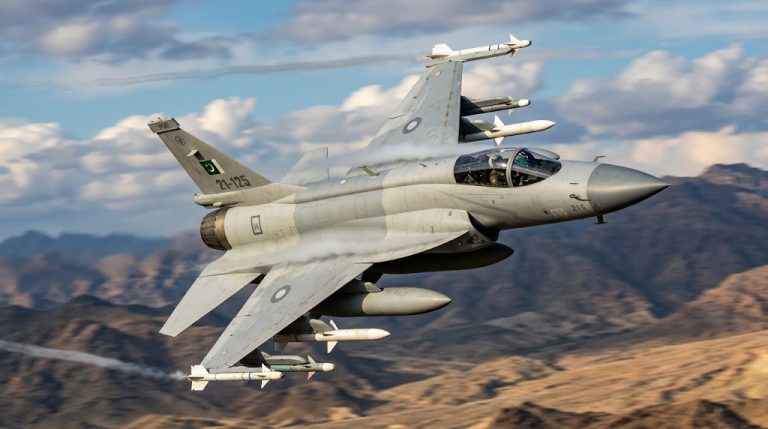
That same clean-sheet thinking shaped older military aviation too, the kind that let a smaller manufacturer’s fighter jet program compete on capability against far bigger budgets. None of that guarantees commercial success. It does mean the technical half of the problem is in noticeably better shape than it used to be.
Could Four-Hour Transatlantic Flights Become Reality?
Not on the original timeline, and probably not at Concorde speed either, honestly. Every project in development today cruises slower than Concorde did.
That gap pushes a New York-to-London flight closer to five hours than four, even once these aircraft actually enter service.
Whether any of this reaches regular travelers, rather than business-class flyers on a few premium routes, comes down entirely to cost. Every serious project has been designed business-class-only from day one.
That alone tells you these companies don’t expect anything close to economy pricing this decade.
The Future of High-Speed Aviation
Near term, the realistic picture is limited service on premium routes by the end of this decade, assuming certification holds, which this whole category has a poor track record of doing on schedule.
Government research data could unlock genuinely faster overland routes within a few years after that, if new noise standards actually get adopted internationally.
Past that, the bigger shift might not be about any one aircraft at all. Materials, manufacturing, and design tools have all caught up a lot in the past few decades.
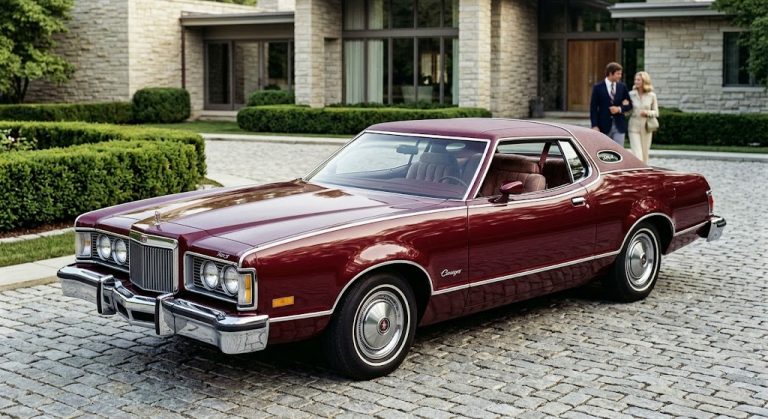
That’s true whether you’re talking about a supersonic jet or, honestly, a car platform getting stretched into a new market once the engineering finally allows it, the same basic move behind something like the Mercury Cougar generations back. Supersonic passenger flight might just be waiting on its own version of that.
People asking about this topic tend to want the same handful of things cleared up. Is supersonic passenger flight actually coming back?
Yes, in a limited form. The company furthest along is still years away from carrying a paying passenger.
Why did Concorde stop flying? A mix of an overland noise ban, brutal operating costs, a permanently small and expensive cabin, and an accident that shook public confidence. Not any single cause.
Who’s actually building new supersonic jets right now? A handful of companies are still in active development, along with government-backed research programs working on the noise problem separately.
Will these flights be affordable? Not soon. Every active project is targeting business or private jet buyers first, and none has said anything about economy-class supersonic travel.
Is a genuine four-hour New York to London flight realistic? Closer to five, honestly, still a real improvement over six or seven hours, even if it falls short of Concorde’s original number.
Written by the techgenmag.com aviation and technology desk. Timelines for aircraft still in development change frequently, figures above reflect the most recent public statements from each company as of this writing. Last updated September 2026.