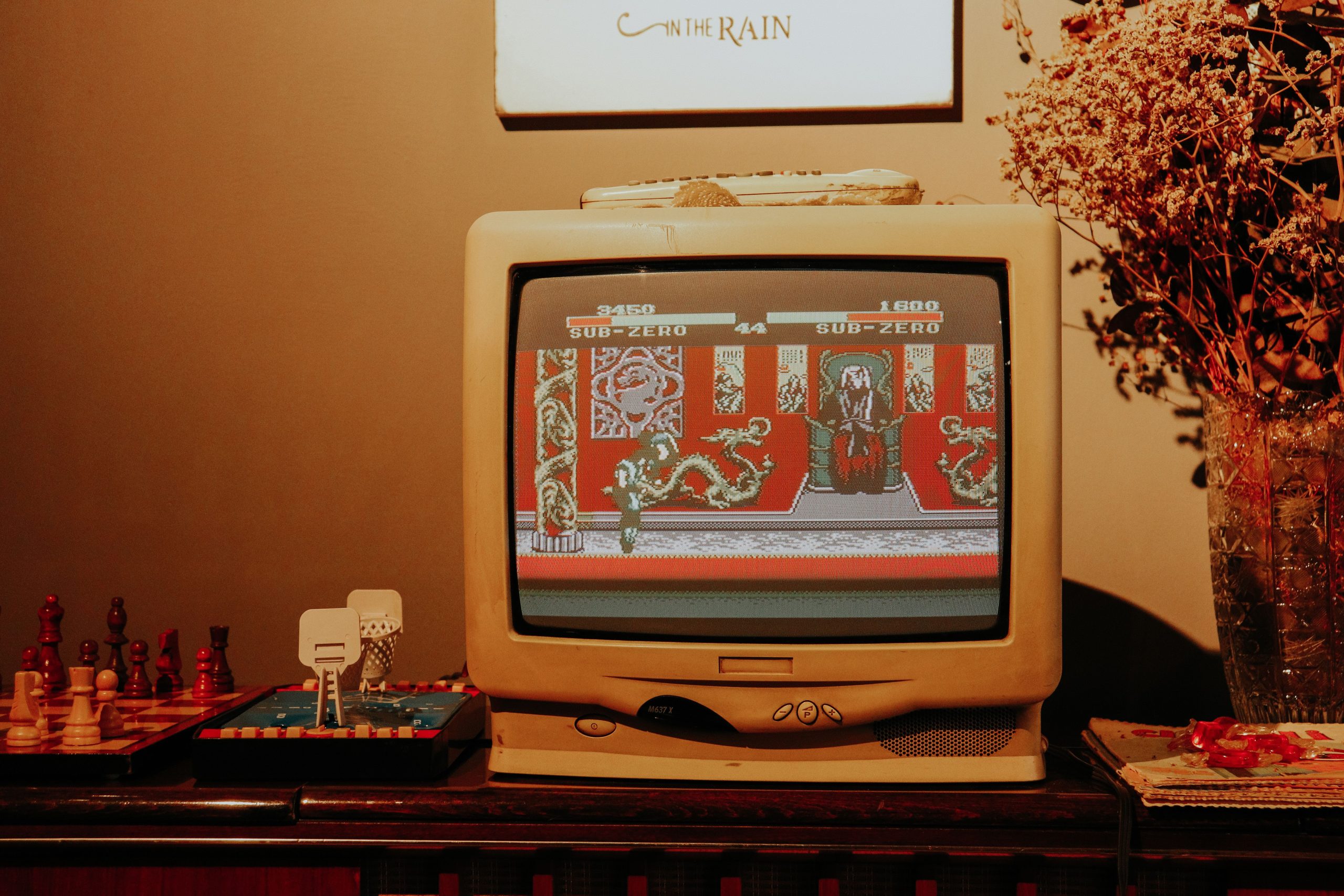
Revisit All Your Old Gaming Favorites With YouTube Longplays
Some games are easier to remember than to play again.
Console’s gone, boxed up somewhere in a parent’s attic. Disc scratched past the point of reading. Save file gone too, along with whatever memory card it lived on. And even without any of that, mechanics that felt revolutionary in 2003 can feel clunky now. Nostalgia wants the game back. Reality rarely cooperates.
That gap is exactly where YouTube longplays live. A longplay is a full playthrough, recorded start to finish, usually with little or no commentary. No hot takes. No jokes to camera. Not trying to entertain the way a streamer entertains. Just the game, unfolding the way it was meant to, for anyone who’d rather watch than play.
It sounds simple. It’s become one of the quieter, more persistent ways gaming history gets kept alive online.
What Is a Gaming Longplay?
A longplay is, at its core, a complete playthrough intended to finish the game as fully as possible. That’s the whole definition, but it’s worth sitting with.
“As fully as possible” usually means main story content, most side content, often every ending a game has to offer. Reactions and jokes aren’t the goal here. The person recording is documenting the experience itself, closer to a film archivist preserving a full reel than someone cutting a highlight trailer.
Two things it usually gets confused with. Worth pulling apart.
It’s not a Let’s Play, where commentary and personality are usually the point, and completion is optional. And it’s not a speedrun, where the entire goal is speed, often at the expense of seeing most of what the game contains, since skips and glitches are part of the craft.
A longplay sits in its own lane: complete, mostly uncommented, and made to preserve rather than to perform.
Why People Watch Longplays
Two hours. Sometimes twelve. A video of someone else playing a game, start to finish. The reasons people sit through that are more varied than they first appear.
Nostalgia
The pull is simple, really. People want the exact game they loved, not a remake, not a reinterpretation built for a different audience. A longplay of an old JRPG or platformer can bring back a specific sound effect, a level layout, a menu screen nobody’s thought about in twenty years.
Discovering Games They Missed
Not everyone had access to every console growing up. Longplays fill that gap. Never owned a Sega Saturn? Missed a niche PC release that never got a proper translation? Now you can finally see what the fuss was about.
Game Preservation
Some games are effectively unplayable now. No working hardware. No easy emulation path. Servers shut down years ago. A longplay, in that context, might be the only accessible record left of how the game actually looked and played.
Experiencing Stories Without Playing
Not every game is approachable to every viewer. Difficulty. Control schemes. Motion sensitivity. Just not having dozens of hours free. These are real barriers, not excuses. A longplay turns the game into something closer to a long-form film, story and atmosphere intact, mechanics optional.
Studying Old Game Design
Developers, students, and critics use longplays as reference material. Watching a full, unedited playthrough shows pacing decisions, difficulty curves, and level design choices in a way that a five-minute retrospective video simply can’t capture. It’s raw material for people who want to understand how a game actually plays, moment to moment.
Longplays and the Preservation of Gaming History
This is where longplays matter beyond individual nostalgia.
Video games have a preservation problem. Other media largely solved it decades ago. Film has restoration labs, national archives. Games? Hardware fails. Companies shut down servers the moment a title stops making money. A film reel sits in a vault, safe. A game can go dark the day a publisher flips a switch.
The Video Game History Foundation, a nonprofit founded in 2016 specifically to address this gap, has said it plainly more than once: a huge amount of early gaming history is already gone. Not destroyed on purpose. Just never anyone’s job to keep.
Longplays don’t fix that on their own. Calling YouTube a formal archive would be a stretch, it isn’t built for long-term preservation, and videos vanish the moment a channel does. But practically? A longplay is sometimes the only accessible record left. A console that won’t boot anymore. A cartridge corroded past reading. A mobile game pulled from the store after the publisher moved on. In each case, a video recorded years ago might be the closest thing left to a working copy.
Documentation, not archiving. But documentation still counts. It gives historians and curious players something to work from that simply didn’t exist before video sharing made it easy to record and upload a full playthrough.
How YouTube Changed the Way We Revisit Old Games
Before YouTube, revisiting an old game meant owning the hardware. Or trusting whatever screenshots and text walkthroughs survived on old gaming forums. Text can describe a boss fight. It can’t show you the rhythm of one.
YouTube changed the math almost by accident. Video hosting got cheap and searchable at scale. A full playthrough of some obscure 1998 PC game could sit online indefinitely, waiting for anyone who typed the right title into a search bar, years later. Recommendations did something forums never managed: they surfaced longplays to people who weren’t even looking.
Comment sections added one more layer. People who played the original release. People discovering it for the first time. Occasionally, the developers themselves, dropping in with context nobody else could provide.
Longplay vs Let’s Play vs Walkthrough vs Speedrun
Four formats, constantly lumped together. They’re not the same thing.
| Format | Main Purpose | Commentary | Completion |
|---|---|---|---|
| Longplay | Experience or preserve the game | Usually minimal or none | High |
| Let’s Play | Entertainment, personality | Usually heavy | Variable |
| Walkthrough | Help a player progress | Variable | Task-focused |
| Speedrun | Finish as fast as possible | Usually minimal | Completion-focused, but skips content |
Overlap happens. A longplay can slip in light commentary. A walkthrough can end up being a full playthrough. Still, the intent behind each is different enough to pull in different audiences, made for different reasons entirely.
What Makes a Good Longplay?
Not every full playthrough on YouTube earns the label, even when it technically qualifies.
Complete game. Not a version that skips side content because it’s tedious to record. Stable footage, clear audio, nothing fancy required. Heavy editing works against the whole point, an accurate record beats a highlight reel every time.
Chapters help. Timestamps help. Without them, a three-hour video just gets abandoned ten minutes in. A clear, accurate title matters too, platform and version included, since ports and re-releases can differ in ways that actually matter. The best uploads go further: release year, region, which version is on screen. Small details. They’re what turn a curiosity into something closer to a usable record.
Revisiting Games Through a Modern Lens
Watch an old game today, even passively, and memory starts getting corrected in real time.
Graphics that felt cutting-edge once can look sparse now, sometimes charming, sometimes just dated. Controls that felt intuitive can turn out stiff, unresponsive, especially camera controls in early 3D titles. Difficulty is usually the bigger surprise. “Hard but fair,” people call it in hindsight. Watch the actual footage, and it’s often trial and error dressed up as challenge.
Level design ages differently than sound design. UI clarity ages differently than storytelling pace. None of it is obvious until the game is actually running again, not just sitting in memory. Some choices hold up shockingly well. Others quietly explain why an entire design convention fell out of fashion.
The Nostalgia Factor
Nostalgia does more work in this conversation than it gets credit for. Worth being honest about what it actually is.
Memory compresses. Tedious stretches fade, peaks stay sharp. A game remembered as flawless might have had a frustrating middle act that simply didn’t survive in memory, while one striking ending colored the whole thing in hindsight. A longplay can confirm that memory. Or quietly contradict it. Both happen constantly.
Old games shaped habits that became industry standards later. Watching them again means watching the rough draft of ideas everyone now takes for granted. A save system that felt generous back then can look punishing next to a modern autosave. None of that makes the old approach wrong for its time. It just explains why nostalgia and actual quality aren’t always the same measurement.
Comment sections underneath these videos run this exact argument, over and over. What people remember, against what the footage actually shows. Usually, the truth lands somewhere in between.
Why Longplays Still Matter
Longplays aren’t just gameplay videos parked on an entertainment platform. They’re a way to revisit, document, and argue about gaming history. Informally. Imperfectly. Consistently.
They won’t replace the formal preservation work built specifically for that job. Never meant to. But for a hobby that’s historically done a poor job protecting its own past, a scattered community uploading complete playthroughs, one game at a time, has ended up mattering more than it looked like it would.
FAQ
What is a longplay in gaming?
A longplay is a video of a complete playthrough of a game, made with the goal of finishing it as fully as possible, typically with little or no commentary from the person playing.
What is the difference between a longplay and a Let’s Play?
A Let’s Play centers on commentary and personality, and completion is optional. A longplay centers on completing the game accurately, with commentary kept minimal or absent entirely.
Why do people watch game longplays?
Reasons vary widely: nostalgia for a specific game, discovering titles they missed, experiencing a story without needing to play it themselves, studying game design, or simply wanting to see how a discontinued or hard-to-access game actually worked.
Are longplays useful for game preservation?
They can be, informally. Longplays aren’t a substitute for formal archival work, but they often serve as one of the few accessible records of how older or discontinued games actually functioned, especially once original hardware or servers are no longer available.
What makes a good gaming longplay?
A complete playthrough of the game, stable recording quality, minimal unnecessary editing, clear chapters or timestamps, and an accurate title noting the platform and version being played.